The Impact of Outdoor Activities on Student Performance and Health
Outdoor activities play a crucial role in shaping students' academic success and overall well-being. Spending time outside is not just about fun or exercise; it directly influences how students learn, focus, and maintain their health. This post explores how outdoor activities benefit students, backed by research and practical examples, and offers ideas for integrating more outdoor time into daily routines.

How Outdoor Activities Boost Academic Performance
Research shows that students who regularly engage in outdoor activities tend to perform better in school. Here’s why:
Improved Concentration
Time spent outdoors helps reduce mental fatigue. Natural environments provide a calming effect, which restores attention and focus. For example, a study published in the Journal of Environmental Psychology found that students who took breaks outside scored higher on attention tests than those who stayed indoors.
Enhanced Memory and Cognitive Function
Physical activity outdoors increases blood flow to the brain, which supports memory and learning. Activities like walking or playing sports stimulate brain areas responsible for processing information, leading to better retention of lessons.
Increased Creativity and Problem-Solving Skills
Being in nature encourages creative thinking. Outdoor settings offer diverse stimuli that inspire students to think differently and solve problems more effectively. Teachers who incorporate outdoor learning report more innovative student projects and ideas.
Physical Health Benefits of Outdoor Activities
Physical health is a foundation for academic success. Outdoor activities contribute to better health in several ways:
Stronger Immune System
Exposure to sunlight helps the body produce vitamin D, essential for immune function. Regular outdoor play also reduces the risk of obesity and related health issues by promoting physical activity.
Better Sleep Patterns
Natural light helps regulate the body’s internal clock. Students who spend time outside during the day tend to fall asleep faster and enjoy deeper sleep, which improves mood and cognitive function.
Reduced Stress and Anxiety
Outdoor exercise lowers cortisol levels, the hormone linked to stress. Activities like hiking, biking, or simply walking in a park can calm the mind and reduce symptoms of anxiety and depression.
Practical Ways to Include Outdoor Activities in Students’ Lives
Schools and parents can take simple steps to increase outdoor time for students:
Outdoor Classrooms
Holding lessons outside, when weather permits, can refresh students and improve engagement. Subjects like science, art, and reading work well in outdoor settings.
Active Breaks
Encourage short physical breaks during study sessions. Even 10 minutes of stretching or walking outside can boost focus and energy.
After-School Programs
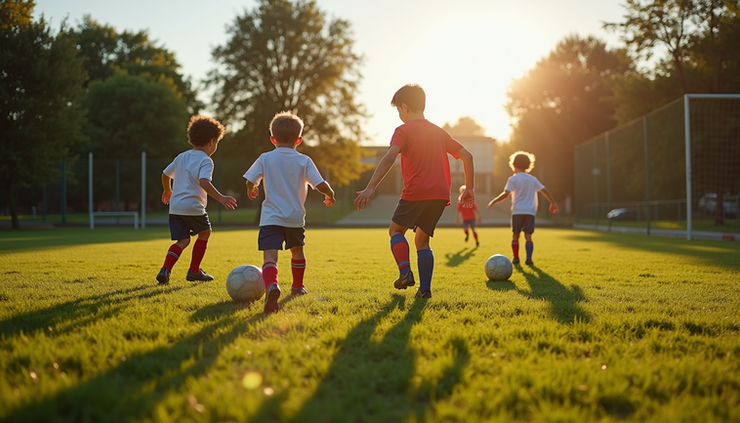
Sports teams, gardening clubs, or nature walks provide structured outdoor activities that promote fitness and social skills.
Weekend Family Activities
Families can plan hikes, bike rides, or visits to parks to combine exercise with quality time.
Examples of Successful Outdoor Activity Programs
Several schools have seen positive results by integrating outdoor activities:
A middle school in Oregon introduced daily outdoor recess and nature walks. Teachers reported improved behavior and higher test scores within one semester.
In Finland, outdoor education is part of the curriculum. Students spend significant time outside, which correlates with the country’s high academic rankings and low stress levels among youth.
Urban schools have created rooftop gardens and green spaces where students learn biology hands-on while enjoying fresh air.
Encouraging a Balanced Approach
While technology and indoor learning are important, balancing screen time with outdoor activities is essential. Students benefit most when they have opportunities to move, explore, and connect with nature regularly.
Parents and educators should:
Set limits on screen time
Promote outdoor hobbies
Model active lifestyles themselves
This balance supports both mental and physical health, creating a foundation for lifelong learning and well-being.


Comments