Innovative Strategies to Foster Creativity in the Classroom
Creativity is a vital skill for students, shaping their ability to solve problems, think critically, and adapt to new challenges. Yet, many classrooms focus heavily on memorization and standardized testing, which can limit creative thinking. Finding ways to encourage creativity in the classroom helps students engage more deeply with learning and prepares them for future success. This post explores practical strategies teachers can use to build a creative learning environment.

Create a Safe Space for Ideas
Students need to feel comfortable sharing ideas without fear of judgment. A classroom culture that values curiosity and experimentation encourages students to take risks and express themselves freely. Teachers can:
Encourage open discussions where all opinions are respected.
Celebrate mistakes as learning opportunities.
Use positive reinforcement to build confidence.
For example, a teacher might start each class with a “no wrong answers” brainstorming session, where students suggest ideas related to a topic without criticism. This approach helps students feel safe to think outside the box.
Use Project-Based Learning
Project-based learning (PBL) allows students to explore real-world problems through hands-on projects. This method promotes creativity by requiring students to design, build, and present solutions. PBL also integrates multiple subjects, encouraging students to connect ideas across disciplines.
A science teacher might assign a project where students design a sustainable garden, combining biology, math, and art. Students decide on plant choices, layout, and presentation, which fosters creative thinking and collaboration.
Incorporate Diverse Materials and Tools
Using a variety of materials and tools can spark creativity by offering new ways to express ideas. Beyond traditional textbooks and worksheets, teachers can introduce:
Art supplies like clay, paint, or collage materials.
Digital tools such as coding platforms or video editing software.
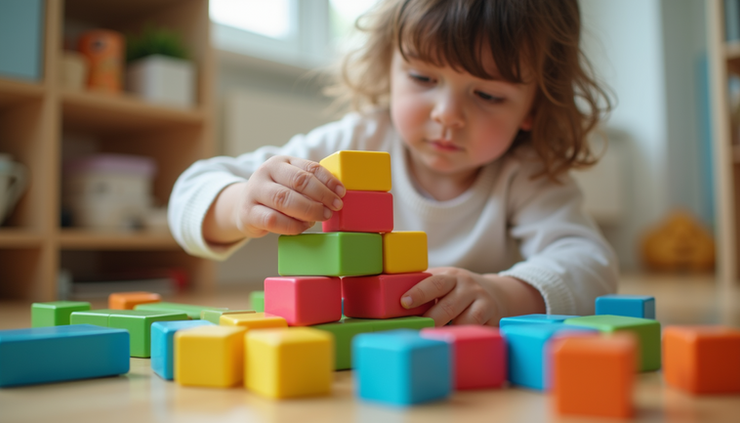
Physical manipulatives like building blocks or models.
For example, in a history lesson, students could create a timeline using mixed media, combining drawings, photos, and written descriptions. This hands-on approach makes learning more engaging and imaginative.
Encourage Collaboration and Peer Learning
Creativity often flourishes in social settings where students exchange ideas and build on each other’s thoughts. Group work and peer feedback sessions help students develop communication skills and see problems from different perspectives.
Teachers can organize activities like:
Group brainstorming sessions.
Peer review of creative projects.
Collaborative storytelling or role-playing exercises.
In one classroom, students worked together to write and perform a short play based on a book they read. This activity required teamwork, creativity, and critical thinking.
Integrate Choice and Autonomy
Giving students choices about how they learn and demonstrate understanding boosts motivation and creativity. When students select topics, formats, or tools that interest them, they invest more effort and originality.
Teachers might offer options such as:
Writing a poem, essay, or comic strip on a theme.
Creating a video, poster, or presentation.
Exploring a topic of personal interest within a unit.
For example, a teacher asked students to research an invention and present it in any format they preferred. Some made models, others wrote stories, and a few created digital presentations. This freedom led to diverse and creative outcomes.
Use Creative Thinking Techniques
Specific techniques can help students develop creative thinking skills. These include:
Mind mapping to organize ideas visually.
“What if” questions to explore possibilities.
Role reversal to see problems from another viewpoint.
Teachers can introduce these techniques during lessons to guide students in generating and refining ideas. For instance, before writing a story, students might create a mind map of characters, settings, and conflicts, which helps structure their creativity.
Provide Time for Reflection and Play
Creativity needs time to develop. Rushing through lessons or focusing solely on outcomes can stifle imagination. Allowing time for reflection and playful exploration helps students process ideas and discover new connections.
Teachers can:
Schedule regular “creative breaks” with open-ended activities.
Encourage journaling or sketching about learning experiences.
Use games and puzzles that challenge thinking.
For example, a teacher might dedicate 10 minutes at the end of class for students to draw or write freely about what they learned, encouraging personal expression and deeper understanding.
Support a Growth Mindset
A growth mindset—the belief that abilities can improve with effort—supports creativity by encouraging persistence and experimentation. Teachers can nurture this mindset by praising effort, strategies, and progress rather than innate talent.
Using language like “You worked hard to solve that problem” or “Trying different ideas helped you improve” reinforces the value of learning through trial and error. This attitude helps students embrace challenges and develop creative solutions.


Comments